Author
The Cal Count io Editorial Team
Page 2 of 5

The Cal Count io Editorial Team , Editorial team · evidence-based nutrition writing · not licensed clinicians
A small editorial team focused on practical, evidence-based nutrition. We use the Cal Count io calorie tracker every day, read the research, and write about what actually works in real kitchens — not labs.
Cal Count io is written and maintained by a small editorial team that combines a software background — we built the app you're using — with several years of self-directed study in nutrition science, behavior change, and consumer-health publishing. We are not physicians or Registered Dietitians. Where an article touches on a medical condition, medication, or a clinical decision, we explicitly say so and direct you to a qualified healthcare professional.
Every nutrition article we publish is built from primary sources, in this order of preference: peer-reviewed research indexed on PubMed (we cite the abstract page so you can verify the claim and dig deeper); government and intergovernmental guidance — the U.S. Dietary Guidelines for Americans, USDA FoodData Central, FDA labeling rules, the NIH Office of Dietary Supplements, and the WHO's nutrition guidance; major medical organizations' position statements from the American Heart Association, American Diabetes Association, and Academy of Nutrition and Dietetics; and reputable secondary sources — Harvard T.H. Chan School of Public Health, Mayo Clinic, Cleveland Clinic — only when the primary evidence agrees and we want a more readable summary.
We do not cite blog posts, marketing pages, or social-media health influencers as evidence. If a claim only appears in those places, it doesn't make our articles. We don't write miracle claims, we don't push supplements, and we don't accept payment for editorial coverage.
We refresh articles on roughly a 12-month cycle, and immediately whenever major guidelines change, a high-quality systematic review supersedes the evidence we cited, or a reader catches a specific factual error. The publish date and last-updated date appear at the top of every article so you can see how current the content is.
Found something wrong? Have a question we should answer in a future post? Reach us at the contact page — we read every message.
Posts by The Cal Count io Editorial Team
-

Meal Planning for One: A Week in 90 Minutes
-

Mindful Eating: How to Slow Down Without Giving Up Your Schedule
-

Low-Carb vs. Mediterranean vs. DASH: A Head-to-Head Comparison
-
Plant-Based Eating Without Going Fully Vegan
-
High-Protein Diets: When They Work, When They Backfire
-
The DASH Diet: A Practical Starter Guide
-
Intermittent Fasting Explained: Methods, Evidence, and Who It Helps
-

A Practical Guide to Choosing the Right Eating Pattern for You
-

High-Volume, Low-Calorie Foods: The Smart Tracker's Cheat Sheet
-
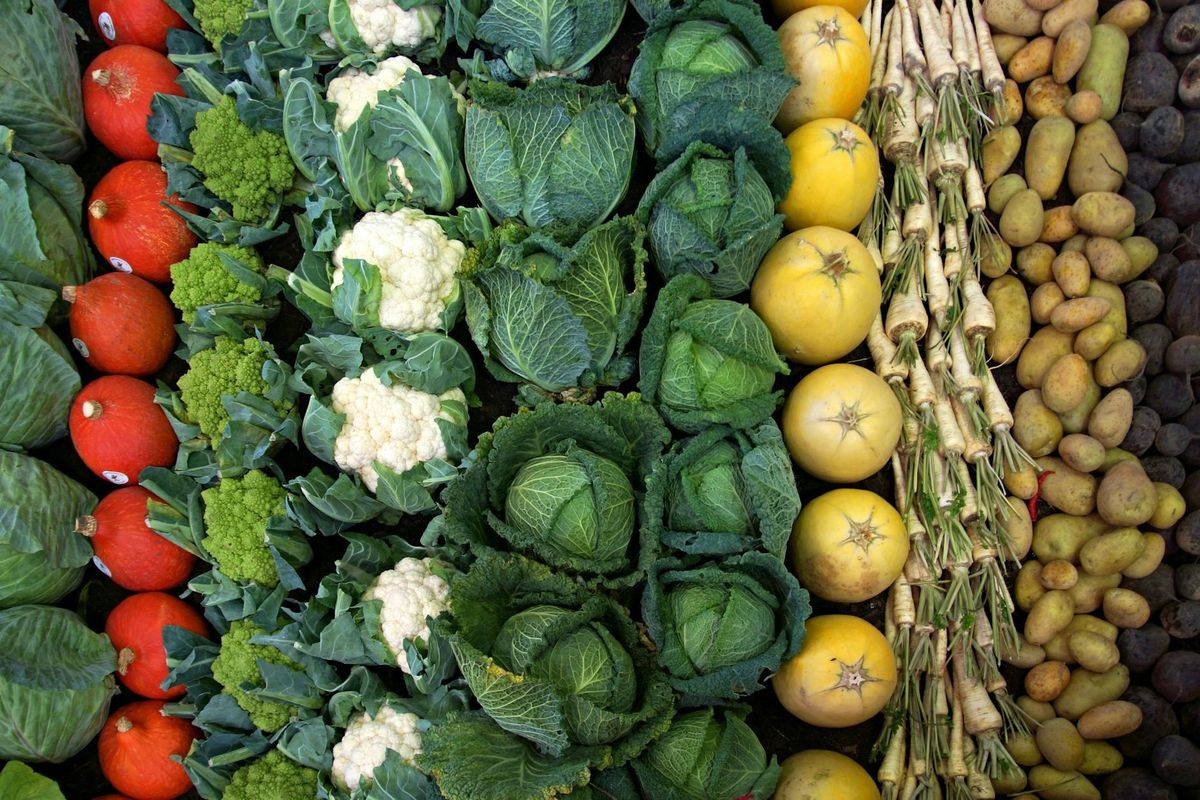
Micronutrients That Matter Most for Adults Tracking Calories
-
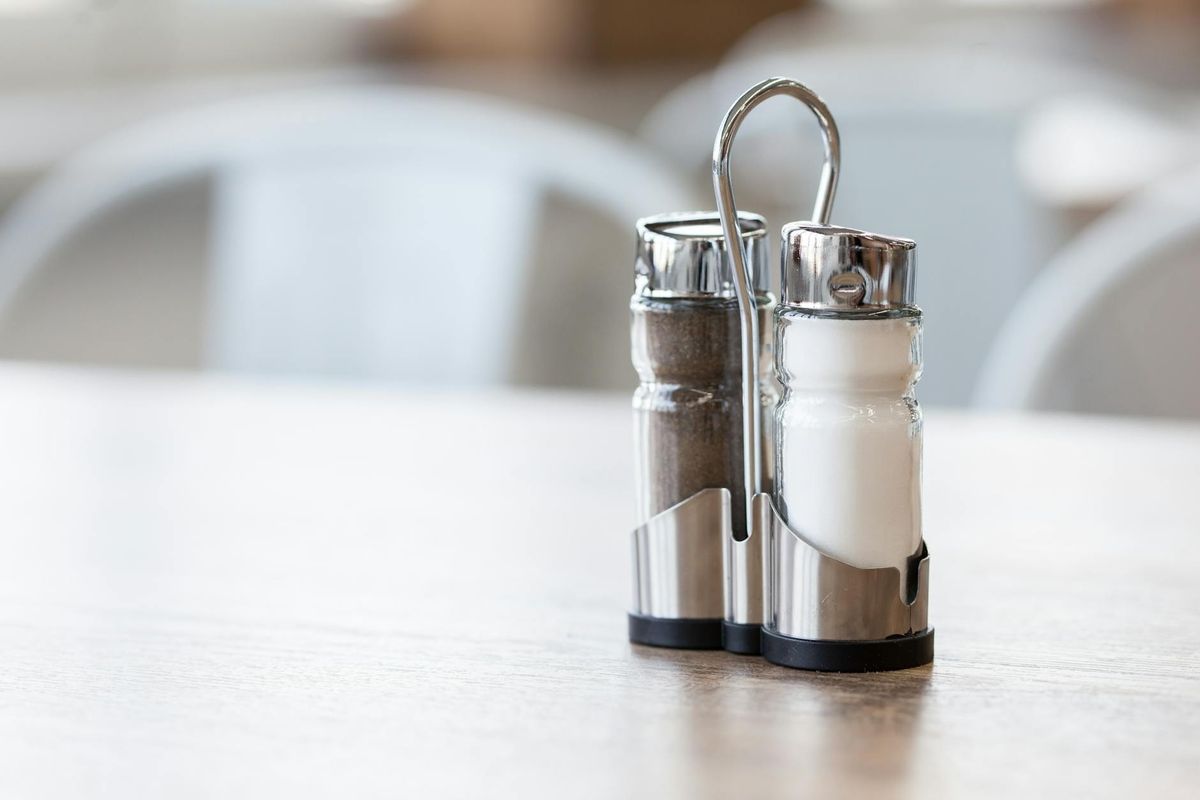
Salt and Sodium: How Much Is Too Much, and Where It's Hiding
-
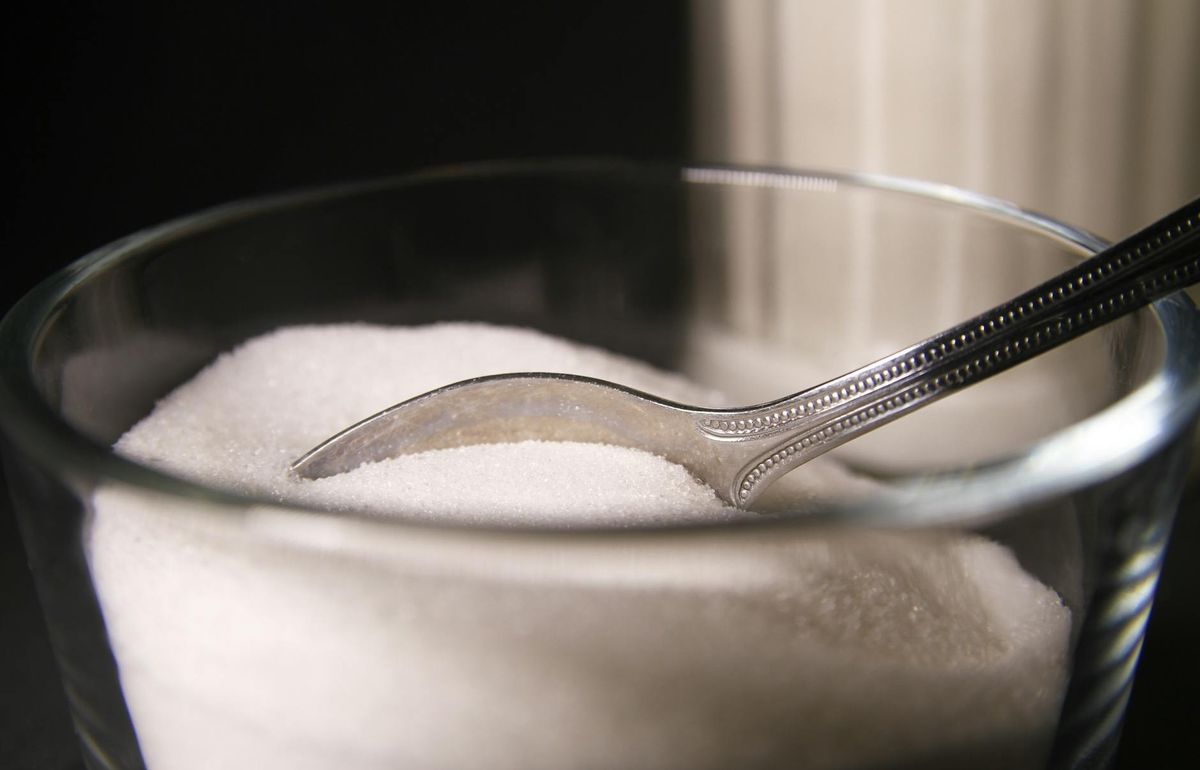
Sugar vs. Sugar Alcohols vs. Artificial Sweeteners: What the Research Actually Says


